
Brake Systems in Darwin
We are your one-stop shop for complete vehicle care, delivering trusted servicing and repairs with honest advice, dependable workmanship and genuine personal service.
Nature's Symphony
ButtonRequest a call back
Thank you for contacting Jims Auto Care .
We will get back to you as soon as possible.
Oops, there was an error sending your message.
Please try again later.
Reliable Braking & Everyday Safety
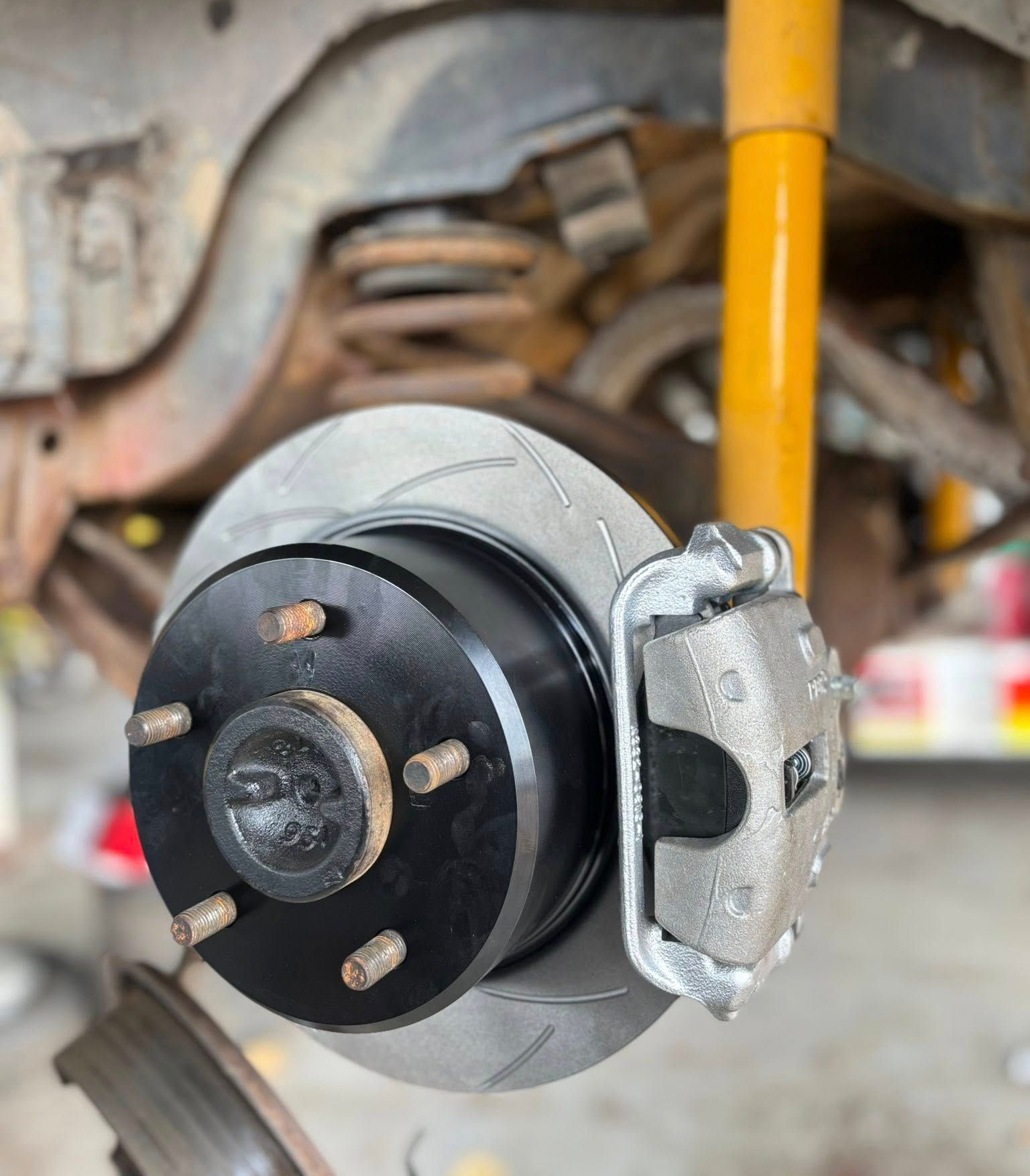
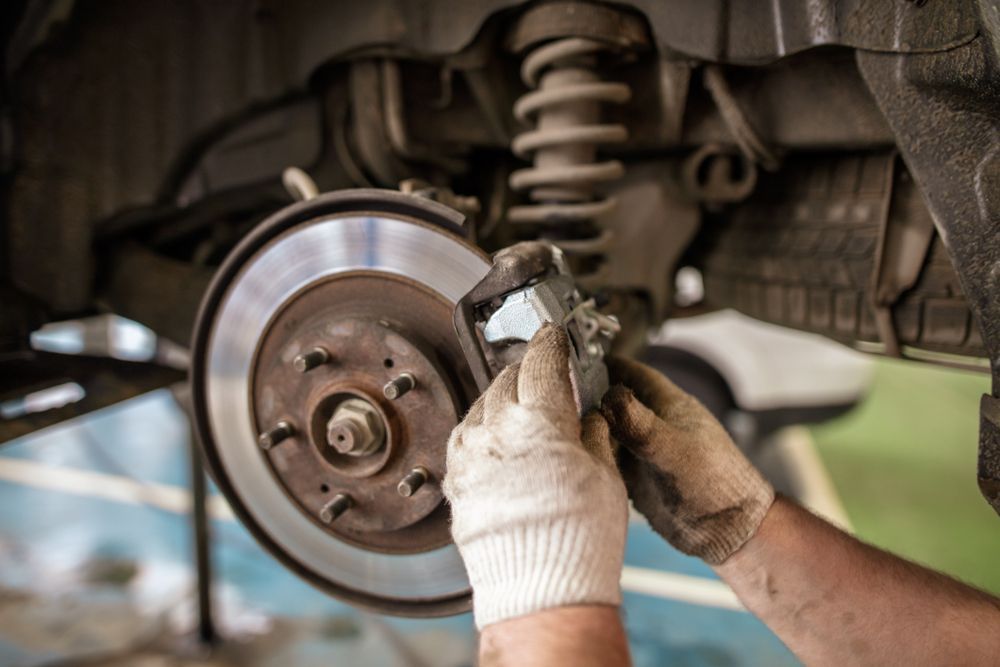
Safe braking depends on more than just pads and discs. Brake systems work alongside suspension, steering and tyre components to maintain balanced vehicle control. In Palmerston, Jims Auto Care supports drivers across the Darwin region by assessing brake systems as part of complete mechanical servicing. Working alongside Palmerston Brake, we provide broader vehicle support in one convenient location, ensuring braking performance is considered within overall vehicle condition.
Warning signs such as vibration, noise or reduced responsiveness should not be ignored. Routine inspections help maintain consistent stopping performance while supporting long-term vehicle safety. To book your vehicle in for a comprehensive safety check, contact our team on 0477 733 665 today.
Brake safety and system inspections
Preventative maintenance and repairs
Part of Complete Vehicle Care
Brake systems do not operate independently. They work closely with steering, suspension and tyre components to support balanced stopping performance and safe vehicle control. As part of comprehensive mechanical servicing, brake system maintenance ensures these connected systems are functioning correctly together.
Routine inspections allow early detection of worn pads, fluid degradation or component fatigue that may affect braking efficiency. Addressing these concerns promptly helps maintain consistent performance and reduce the risk of more extensive repairs. When brake systems are maintained within a full mechanical assessment, drivers gain greater confidence in their vehicle’s overall safety and reliability.
FAQ
How often should brake systems be checked?
Brake systems should generally be inspected at least once a year or every 10,000 to 15,000 kilometres, depending on driving habits and vehicle use. Vehicles driven in heavy traffic, towing conditions or frequent stop-start situations may require more frequent checks. Regular inspections allow early identification of worn brake pads, fluid contamination or disc damage. Proactive maintenance helps maintain safe stopping performance and can prevent more expensive repairs caused by neglected components.
What are the warning signs of brake problems?
Common warning signs include squealing or grinding noises, vibration through the steering wheel or brake pedal, reduced braking responsiveness and increased stopping distance. Some vehicles may also display dashboard warning lights. These symptoms often indicate worn brake pads, warped discs or issues within the hydraulic system. Ignoring early signs can lead to further component damage and higher repair costs. Prompt inspection helps ensure braking performance remains consistent and safe.
Is it safe to drive with worn brake pads?
Driving with worn brake pads is not recommended. As brake pad material wears down, stopping distance can increase and braking efficiency may decline. Continued driving in this condition can cause metal components to contact brake discs, potentially leading to disc damage and more extensive repairs. Worn pads can also reduce overall vehicle safety, particularly in emergency braking situations. Replacing brake pads at the appropriate time helps maintain reliable and controlled stopping performance.



